Biophilic Design & Quarterly Refreshes: Aligning Office Rhythm with Nature
How aligning workplace art and spatial styling with seasonal transitions enhances mental clarity, reduces workplace stress, and creates an intuitive rhythm for high-performance teams.
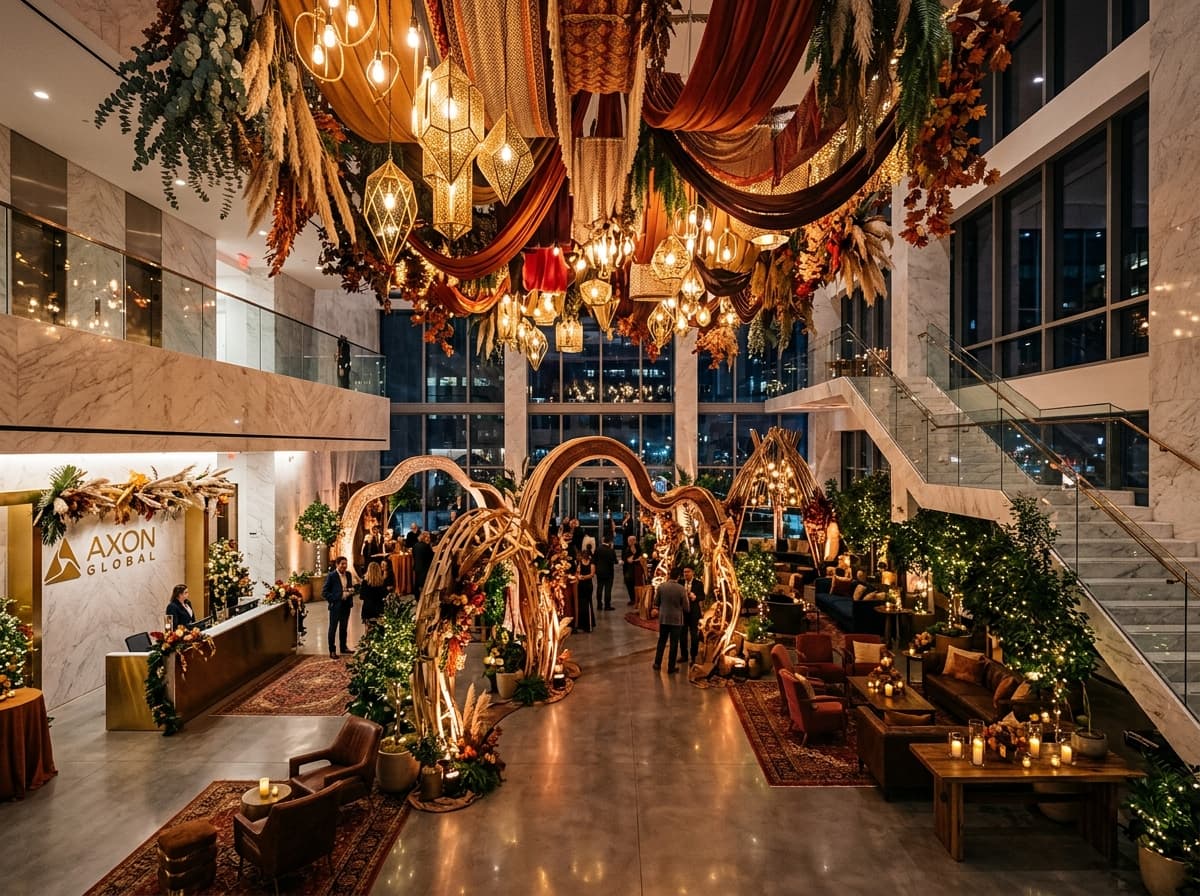
Biophilic design — bringing natural elements into built environments — is well studied at this point. Plants, natural light, organic textures and forms measurably reduce stress and support focus in workspaces. Most of the research, though, treats it as a one-time addition: bring in some greenery, done.
That misses something offices actually get right about nature, almost by accident, when they get it right at all: nature isn't static either. Seasons change. Light shifts. Growth is visible over time. A workplace that borrows the appearance of nature but none of its rhythm is only getting half the idea.
This is one of the reasons ARTNCE's subscription model rotates on a quarterly cycle rather than installing a collection once and leaving it. Plants, greenery, and organic textures are part of every tier's curated collection alongside artwork and decorative pieces — and like everything else in the collection, they're refreshed rather than left to become part of the furniture.
There's a practical case for this beyond aesthetics. Maintaining a living, evolving collection of plants and greenery in a commercial space is genuinely demanding — watering schedules, seasonal die-off, replacement, care that most facilities teams aren't resourced to handle well. Under a managed subscription, that maintenance is simply included, not an extra line item someone has to remember to budget for.
But the deeper point is about rhythm. A quarterly refresh means a workspace's biophilic elements change with the seasons the way they would outdoors — not as a gimmick, but because that's literally how living things behave. An office that gets a genuinely different feel in January than it had in October isn't performing "wellness" as a corporate initiative. It's just behaving like an environment people actually live in, rather than a room that was decorated once in 2019 and hasn't changed since.
Zone by zone, this plays out differently. A reception area might lean into bolder seasonal statements — something a visitor notices in the first ten seconds. A breakout space might favor quieter, more restorative greenery meant to be lived with over months, not glanced at once. Neither approach works if the whole collection is locked in place indefinitely.
Static biophilic design is still better than none. But a workspace that evolves — quarter over quarter, in step with the people actually in it — is doing something closer to what the research was describing in the first place.
Evolve your workspace every quarter.
Schedule a spatial consultation to explore rotational curations and managed styling for your office.