Why Paintings Matter in Modern Spaces
Modern spaces are no longer designed only around furniture, functionality and architecture. Today, art plays an important role in defining the personality, atmosphere and experience of a space.
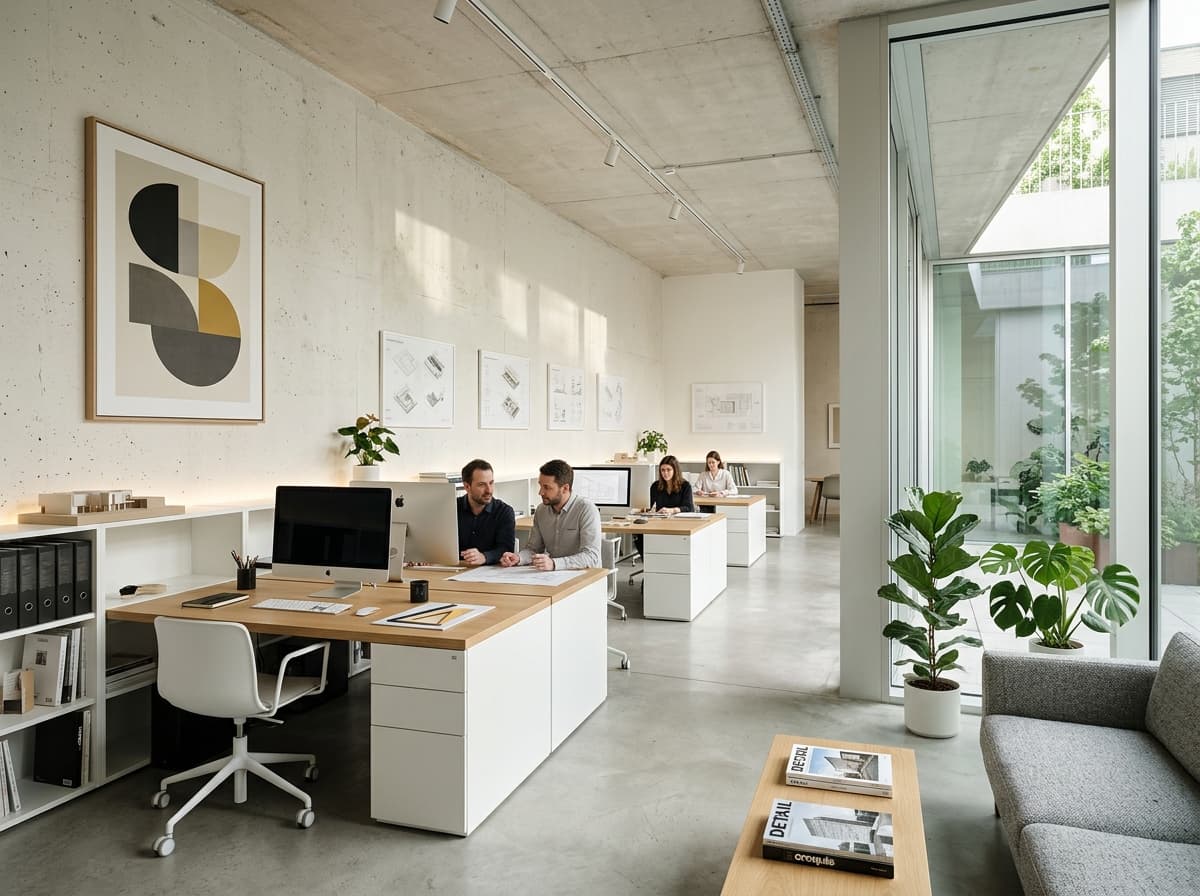
Modern spaces are no longer designed only around furniture, functionality and architecture. Today, art plays an important role in defining the personality, atmosphere and experience of a space.
A carefully selected painting can turn an ordinary wall into a focal point, create an emotional connection and communicate the values of the people or organization occupying the space.
At ARTNCE, we believe that art is not simply decoration. It is an essential part of how people experience a space.
Whether it is a corporate office, luxury residence, hotel, restaurant or commercial environment, the right painting can bring together design, emotion, identity and culture.
1. Paintings Give a Space Its Identity
Every space has a personality.
A corporate office may want to communicate innovation, confidence and professionalism. A luxury residence may seek warmth, individuality and sophistication. A hospitality space may want to create an atmosphere that guests remember.
Paintings provide a powerful way to communicate these characteristics.
A large contemporary artwork can become the visual signature of a reception area, while carefully curated artwork can create a consistent design language throughout an office or residence.
The right artwork doesn't just fill an empty wall—it gives the space a story.
2. Art Creates a Strong First Impression
First impressions matter.
In an office environment, the reception area is often the first physical interaction a client, investor, employee or business partner has with an organization.
A thoughtfully selected painting can immediately elevate the environment and create a sense of:
Professionalism
Creativity
Quality
Attention to detail
Corporate identity
Sophistication
For businesses, corporate office paintings can therefore become part of the overall brand experience.
Instead of treating artwork as an afterthought, organizations can integrate art into the initial stages of workplace design.
3. Paintings Influence the Mood of a Space
Colour, composition, texture and subject matter can influence how people perceive an environment.
For example:
Abstract art can create energy and encourage visual exploration.
Nature-inspired paintings can introduce calmness and a connection with the natural world.
Minimalist artwork can complement contemporary architecture and create a sense of simplicity.
Indian art and cultural artwork can add heritage, identity and a strong sense of place.
This makes paintings particularly valuable in workplaces, hospitality environments and residential interiors where the emotional experience of the space matters.
4. Artwork Can Transform Corporate Offices
The modern workplace has changed significantly.
Employees and clients increasingly expect offices to provide more than functional workstations. Contemporary workplaces are designed as environments that support collaboration, creativity, wellbeing and brand experience.
This is where office wall art can make a meaningful difference.
Artwork can be incorporated into:
Reception areas
Boardrooms
Executive offices
Collaboration zones
Cafeterias
Breakout areas
Corridors
Waiting lounges
Meeting rooms
Large-scale paintings can also be used to create visual landmarks within larger office environments.
For companies setting up or upgrading offices, art should therefore be considered as part of the overall workplace experience strategy.
5. Art Helps Strengthen Corporate Branding
A company's office is an extension of its brand.
Architecture, interiors, furniture, lighting, signage and artwork should work together to communicate a consistent identity.
For example, a technology company may choose bold contemporary artwork, while a financial institution may prefer sophisticated and understated pieces.
The objective is not necessarily to match the company logo or corporate colours.
Instead, the artwork should reflect the culture and personality of the organization.
This is particularly relevant for:
Corporate headquarters
Global Capability Centres (GCCs)
Premium commercial offices
Financial institutions
Technology companies
Law firms
Consulting firms
Hospitality brands
6. Paintings Make Large Spaces Feel More Complete
Modern commercial buildings often have large reception areas, expansive corridors and open-plan workplaces.
Without thoughtful design, these spaces can feel empty or impersonal.
Large-format paintings and curated art installations can help create visual balance.
Instead of adding unnecessary furniture, artwork can provide a strong architectural focal point while maintaining the openness of the space.
This is one reason art for commercial spaces is becoming increasingly important in modern interior design.
7. Art Creates Conversation
Great art invites people to stop and look.
A distinctive painting can become a natural conversation starter between:
Employees
Clients
Visitors
Guests
Business partners
Residents
In hospitality and corporate environments, this can contribute to a more memorable experience.
A painting may also communicate something about the organization without saying a single word.
8. Paintings Connect Modern Spaces With Culture
Modern architecture can sometimes feel universal.
Art brings individuality back into the environment.
Indian contemporary art, traditional painting styles, regional influences and culturally inspired artwork can create a strong connection between a modern space and its cultural context.
For businesses operating in India, this can be particularly powerful.
A Hyderabad office, for example, can incorporate artwork inspired by Telangana's cultural heritage, architecture, landscapes and artistic traditions, while still maintaining a contemporary design language.
9. Choosing the Right Painting for a Space
Selecting artwork requires more than choosing a painting that looks attractive.
Consider:
Size
The artwork should be proportional to the wall and surrounding furniture.
Colour
Colours should complement the interior rather than compete with it.
Style
The artistic style should support the overall character of the space.
Lighting
Natural and artificial lighting can dramatically affect how artwork is perceived.
Purpose
Consider whether the artwork is intended to inspire, calm, impress or simply enhance the environment.
Audience
A corporate boardroom may require a different artistic approach from a hotel lobby or private residence.
10. Art Should Be Curated, Not Randomly Added
One of the biggest mistakes in interior design is treating artwork as something to be purchased after everything else is completed.
A stronger approach is to consider art during the space-planning and interior-design process.
At ARTNCE, the objective is to create a relationship between:
Art + Architecture + Interior + People + Experience
This approach allows artwork to become an integral part of the space rather than an isolated decorative element.
ARTNCE: Where Art Finds Its Place
At ARTNCE, we see art as an experience.
Our approach focuses on helping clients discover artwork that complements their environment, reflects their identity and creates lasting visual impact.
From corporate offices and commercial spaces to luxury residences and hospitality environments, carefully selected artwork can transform the way people experience a place.
Because the right painting does more than decorate a wall.
It creates an atmosphere.
It tells a story.
It creates identity.
And it makes a space memorable.
Elevating Work Space Experience
ARTNCE
Where Art Finds Its Place.
#ARTNCE #ContemporaryArt #ModernArt #OfficeWallArt #CorporateArt #InteriorDesign #WorkplaceDesign #ArtForSpaces #CommercialInteriors #CorporateOffice #HyderabadArt #HyderabadInteriors #IndianArt #ArtCollection #WorkplaceExperience
Related Perspectives
The Cost of a Static Office: Why Workspaces Must Continuously Evolve
Traditional corporate offices treat workspace design as a one-time capital expense. Discover how static environments contribute to cognitive fatigue and how rotational curations restore workplace vitality.
Biophilic Design & Quarterly Refreshes: Aligning Office Rhythm with Nature
How aligning workplace art and spatial styling with seasonal transitions enhances mental clarity, reduces workplace stress, and creates an intuitive rhythm for high-performance teams.
Evolve your workspace every quarter.
Schedule a spatial consultation to explore rotational curations and managed styling for your office.